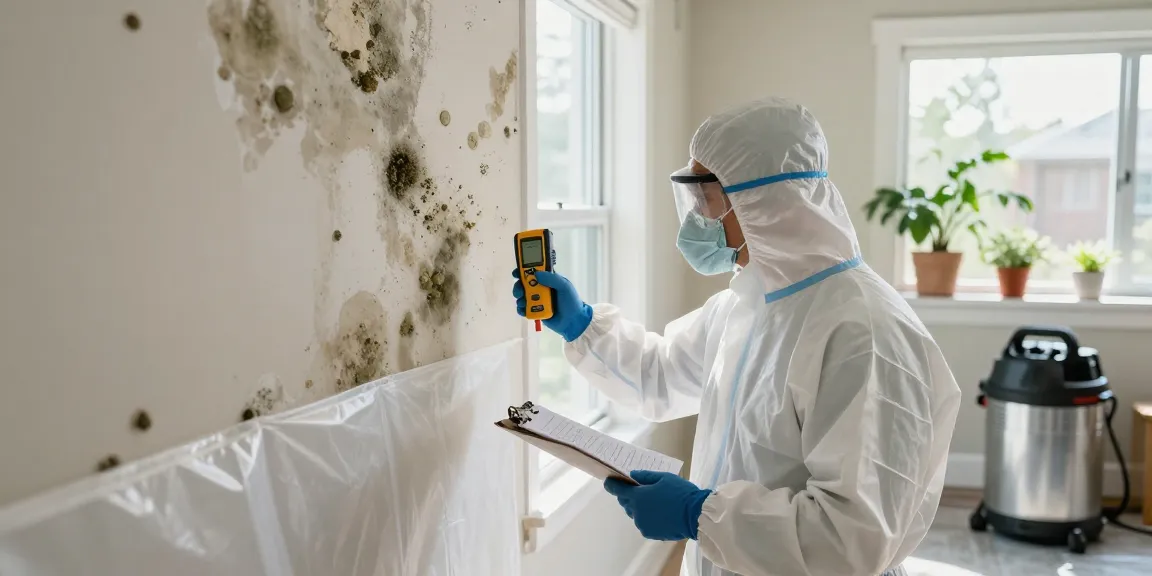
Understanding Mold Growth in North Vancouver
Mold is a common issue for homeowners in North Vancouver, primarily due to the region's unique coastal climate characterized by high humidity and frequent rain. With a steady increase in moisture levels, understanding how and why mold thrives in this environment is vital for homeowners looking to maintain the integrity of their properties. When exploring options, Mold Remediation North Vancouver provides comprehensive insights into effective strategies for managing and eliminating mold.
What Causes Mold to Grow in Homes?
The primary factor contributing to mold growth is moisture. Mold spores, which are always present in the environment, require a damp environment to settle and grow. Common moisture sources include:
- Leaking roofs or plumbing fixtures
- High humidity levels, especially in poorly ventilated areas
- Flooding from heavy rains or snowmelt
- Condensation on cold surfaces such as windows
In North Vancouver, the coastal climate exacerbates these issues, making homes particularly vulnerable to mold infestations.
The Impact of Coastal Climate on Mold
Coastal climates, like that of North Vancouver, experience high levels of humidity and rainfall throughout the year. This environmental condition creates an ideal breeding ground for mold. The damp air can saturate building materials, allowing mold to flourish in spaces such as attics, basements, and behind walls. Understanding this relationship is crucial for prevention and remediative efforts.
Common Areas Where Mold Hides in North Vancouver
Mold can be elusive, often hiding out of sight until it becomes a significant problem. Common areas in North Vancouver homes where mold is likely to thrive include:
- Behind drywall, particularly in bathrooms and kitchens
- In attics with poor ventilation
- Inside crawlspaces that retain humidity
- Under sinks and around plumbing fixtures
- Near windows where condensation gathers
Awareness of these areas can help homeowners identify potential mold problems early, allowing for prompt action.
Signs You Need Mold Remediation
Identifying mold issues early is crucial to preventing extensive damage to your home and protecting your health. Here are key signs that indicate you may need professional mold remediation:
Identifying Visible and Hidden Mold Issues
Visible mold appears in patches and can be a variety of colors including black, green, or white. However, hidden mold can grow behind walls or under floors, making it difficult to detect. Homeowners should be vigilant and look for:
- Stains or discoloration on walls and ceilings
- A musty odor, even without visible mold
- Allergens or respiratory issues that worsen indoors
Respiratory Problems Linked to Mold Exposure
Mold exposure can lead to various health problems, particularly respiratory issues. Symptoms may include:
- Coughing and sneezing
- Throat irritation
- Wheezing or difficulty breathing
- Allergic reactions or asthma attacks
If these symptoms arise only in your home and improve when you leave, it could be a sign of mold presence.
Indicators of Moisture Problems in Your Home
Increased moisture within your home often indicates the potential for mold growth. Watch for the following indicators:
- Condensation on windows or walls
- Water stains on ceilings or walls
- A spike in utility bills indicating increased humidity
If you find these signs, it’s essential to seek professional mold remediation to address the root cause and avoid health risks.
The Mold Remediation Process Explained
Understanding the mold remediation process can help you make informed decisions about your options. Here’s a breakdown of what to expect:
Step-by-Step Mold Remediation Techniques
The remediation process generally follows these steps:
- Inspection: A thorough examination of your property to locate and assess the extent of the mold issue.
- Containment: Isolating affected areas to prevent mold spores from spreading during removal.
- Air Filtration: Employing HEPA filters and air scrubbers to capture airborne mold spores.
- Mold Removal: Removing materials contaminated with mold, including drywall and carpeting, if necessary.
- Cleaning and Sanitizing: Using antifungal treatments on affected surfaces to eliminate mold colonies.
- Restoration: Repairing areas damaged by mold, including replacing drywall, flooring, or fixtures.
Importance of Moisture Control During Remediation
Moisture control is critical for effective mold remediation. Without addressing the underlying moisture issue, mold will likely return. This involves:
- Identifying and fixing leaks
- Improving ventilation in humid areas
- Using dehumidifiers to reduce indoor humidity levels
Effective moisture management ensures long-term success in keeping your home mold-free.
Advanced Tools and Technologies in Mold Remediation
Modern mold remediation employs advanced tools and technologies, such as:
- Thermal imaging to detect hidden moisture
- Moisture meters for assessing dampness levels in building materials
- Air scrubbers and HEPA vacuums for controlling airborne spores
Utilizing these technologies enhances the efficiency and effectiveness of the remediation process.
Choosing the Right Mold Remediation Services in North Vancouver
When selecting a mold remediation service, consider the following factors to ensure you are choosing the right professionals:
Evaluating Certifications and Expertise
Not all mold remediation companies are created equal. Look for certifications from recognized bodies like the Institute of Inspection, Cleaning and Restoration Certification (IICRC) and expertise in mold management. Verify their experience in handling various types of mold infestations and their protocols for remediation.
Comparison with Local Competitors’ Services
Research local competitors to understand their offerings, including:
- Types of services they provide
- Customer reviews and testimonials
- Pricing transparency and estimates
Comparing services will help you gauge what provides the best value for your specific needs.
Understanding Pricing and Coverage for Mold Services
Mold remediation costs can vary widely based on the extent of the infestation, type of materials affected, and necessary remediation techniques. Ensure you receive a detailed estimate that outlines what is covered, and check your homeowner’s insurance policy for coverage on mold remediation services.
Preventing Future Mold Growth
Once remediation is complete, focus on preventing mold from recurring by implementing these strategies:
Best Practices for Homeowners in Moisture Control
Homeowners can take proactive measures to control moisture levels and reduce the risk of mold regrowth:
- Ensure proper ventilation, particularly in bathrooms and kitchens
- Use exhaust fans to regulate moisture
- Seal any cracks in walls or foundations to prevent moisture intrusion
- Regularly inspect plumbing for leaks
Long-Term Solutions for Mold Prevention
For lasting prevention, consider more comprehensive solutions such as:
- Installing a vapor barrier in crawl spaces
- Using dehumidifiers in areas prone to moisture
- Regular home inspections to catch issues early
Taking these steps can significantly reduce the chances of mold returning.
Resources for Home Maintenance in North Vancouver
Utilize local resources and guides for ongoing maintenance and inspection protocols to keep your home mold-free. Engaging with local home improvement experts can provide additional insights specific to the North Vancouver climate.
What Health Problems Can Mold Cause?
Mold exposure can lead to serious health risks, particularly for individuals with respiratory conditions, allergies, or weakened immune systems. Common issues include:
- Allergic reactions
- Asthma exacerbation
- Respiratory infections
- Skin irritations
Understanding the health implications reinforces the importance of prompt remediation.
Can You Stay in Your House During Mold Remediation?
It is generally advised to vacate the premises during significant mold remediation, especially in extensive infestations. This helps minimize exposure to mold spores and allows the remediation team to work more efficiently. Always follow your chosen service provider's recommendations regarding your safety.